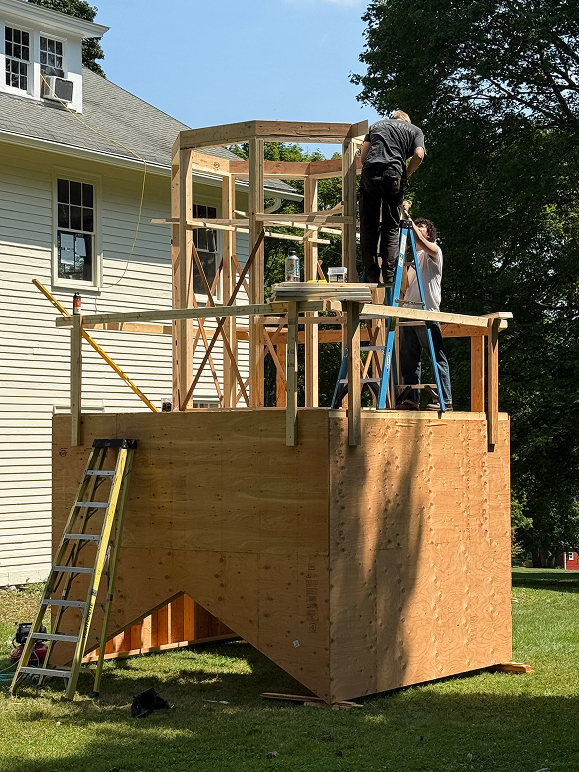
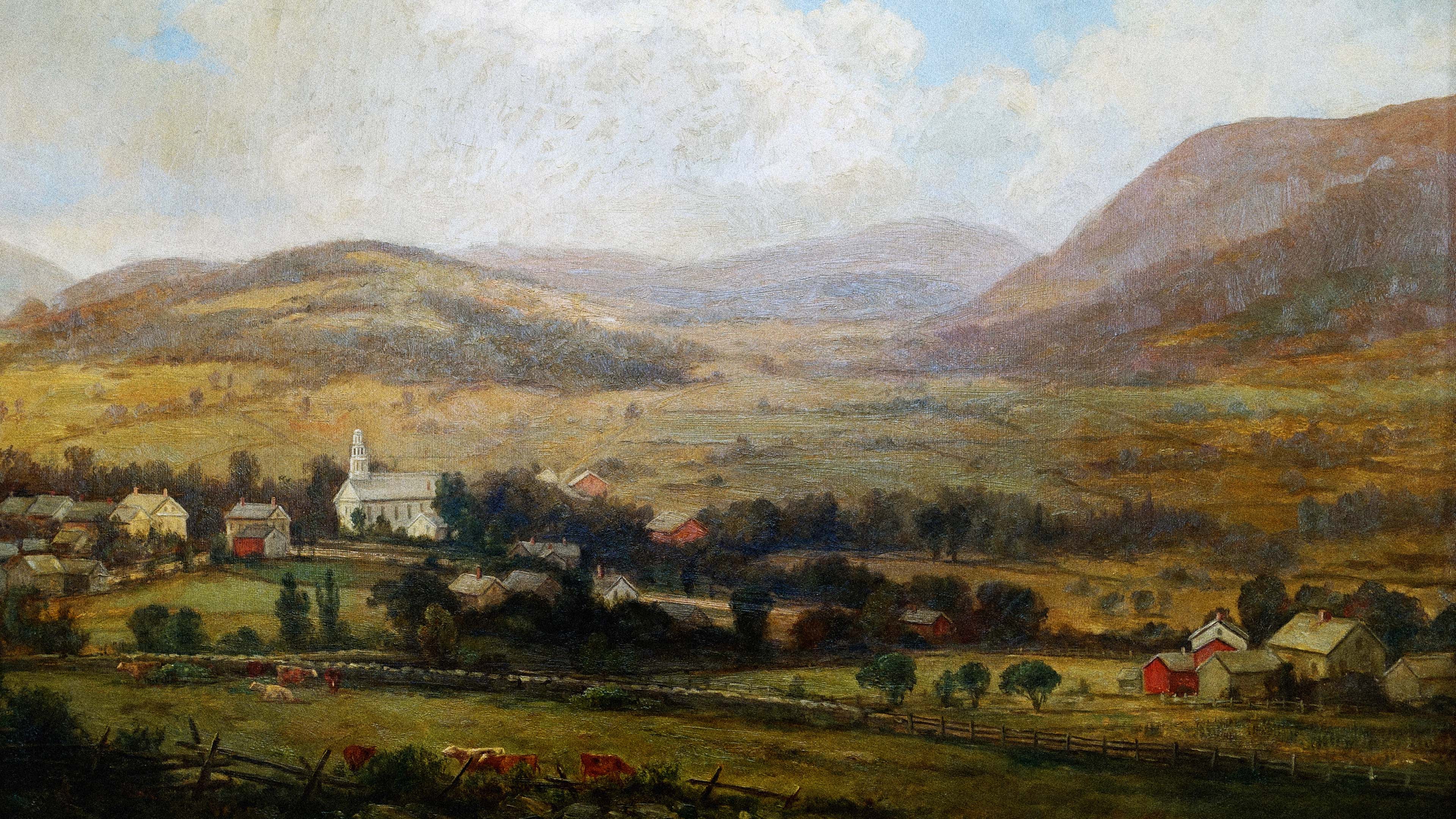
The Seminary, a landmark building in Old Bennington, Vermont, listed on the National Register of Historic Places, was originally erected in 1829 by Deacon Stephen Hinsdell, with Hiram Waters, a local carpenter, overseeing construction. It served as an all-boys school known as the Bennington Seminary.
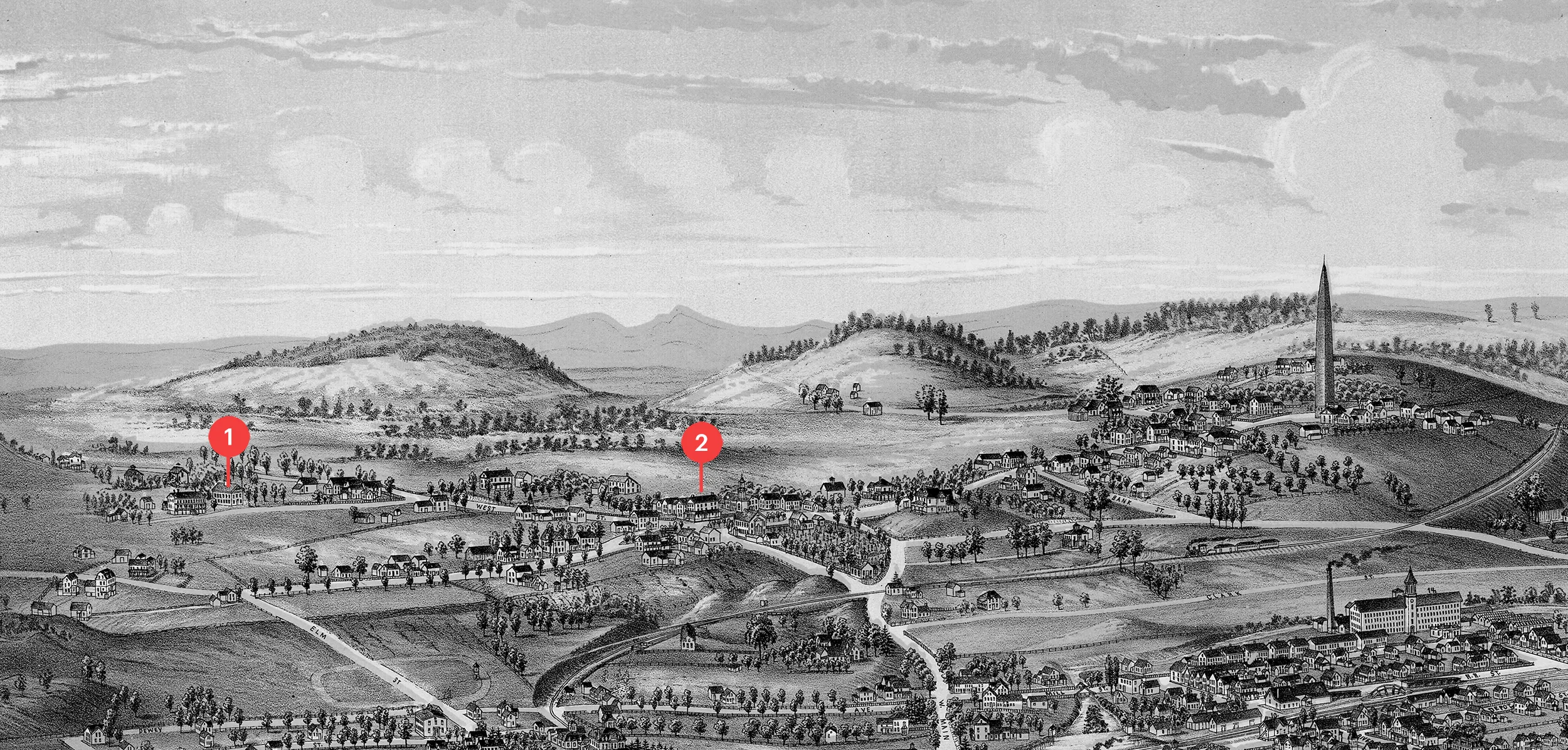
The Academy was operated for many years by James A. Ballard (later Rev. Ballard), Rev. Gurden Hayes, Mr. G.W. Yates, and later by Mr. Yates in partnership with Mr. S. Benjamin Jones. The Seminary exists because of a falling-out over James A. Ballard's disciplinary methods at the Old Academy around 1821. He resigned, built the Bennington Seminary in 1829, and an unpleasant rivalry ensued between the two schools. The new school, the Bennington Seminary, became known as “The Pioneer,” while the Old Academy was referred to as “The Old Line.”
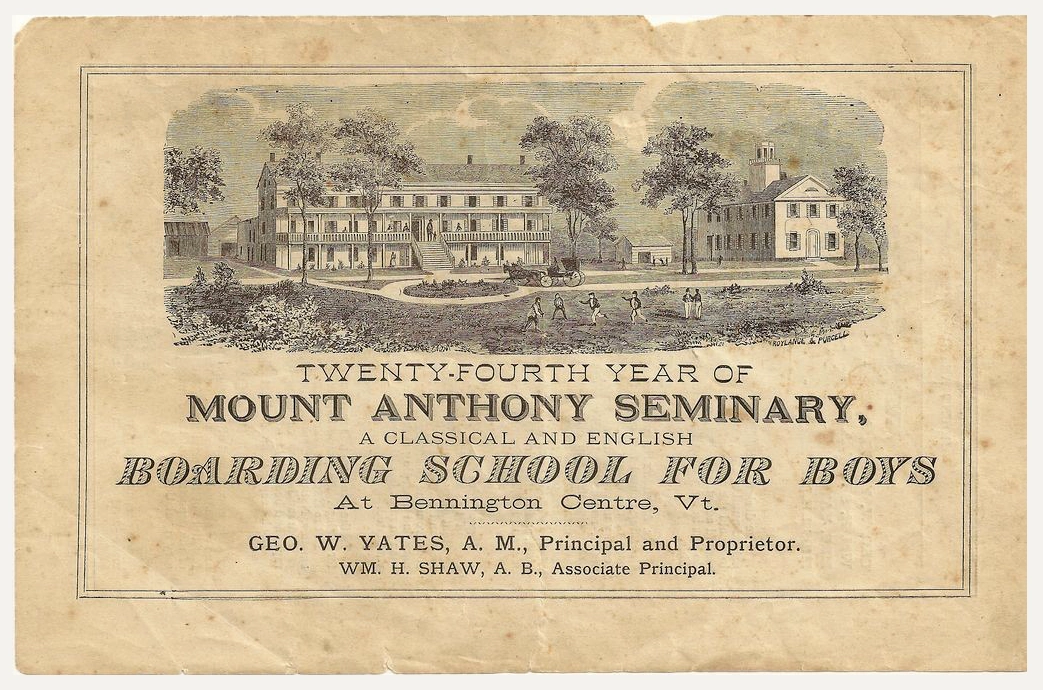
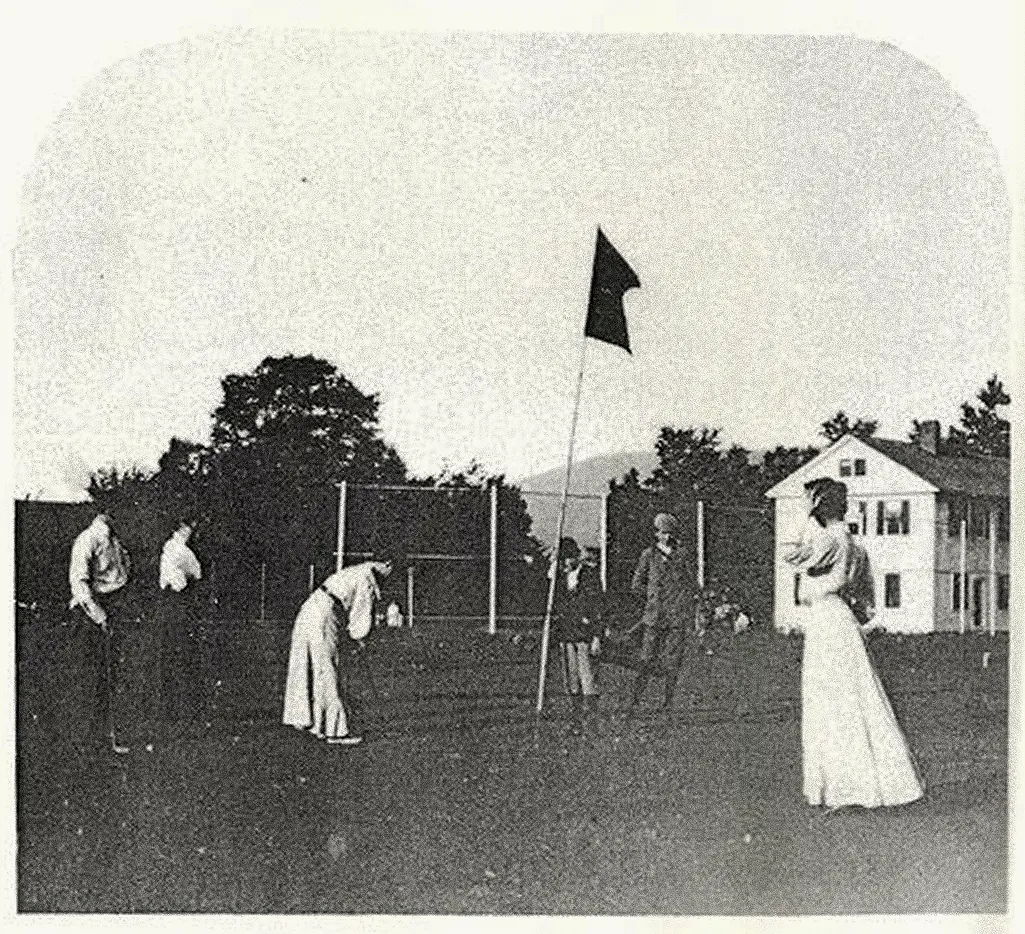
Around 1864, the property became known as the Mt. Anthony Seminary and became coeducational. Around 1897, the Mt. Anthony Country Club took over the building as its clubhouse, removing the bell tower and renovating the interior. Around 1934, Bennington College purchased the property, where it served as faculty housing for academics fleeing World War II, before later becoming a private residence held by the same family, a family of writers from Williams College, for over 60 years.
Place in Mind took ownership of the property in 2025. In partnership with Hendricks Churchill (Elle Décor A-List), Place in Mind embarked on an extensive renovation and restoration of both the interior and exterior, including rebuilding the original bell tower with a rope that extends from the bell to the first floor living room. The restored building is layered with original artworks by artists such as Keith Haring, George Bellows, and the Hudson River School, and furniture by craftsmen such as Edward Wormley, Frits Henningsen, and George Smith.